
wetroom glass screens
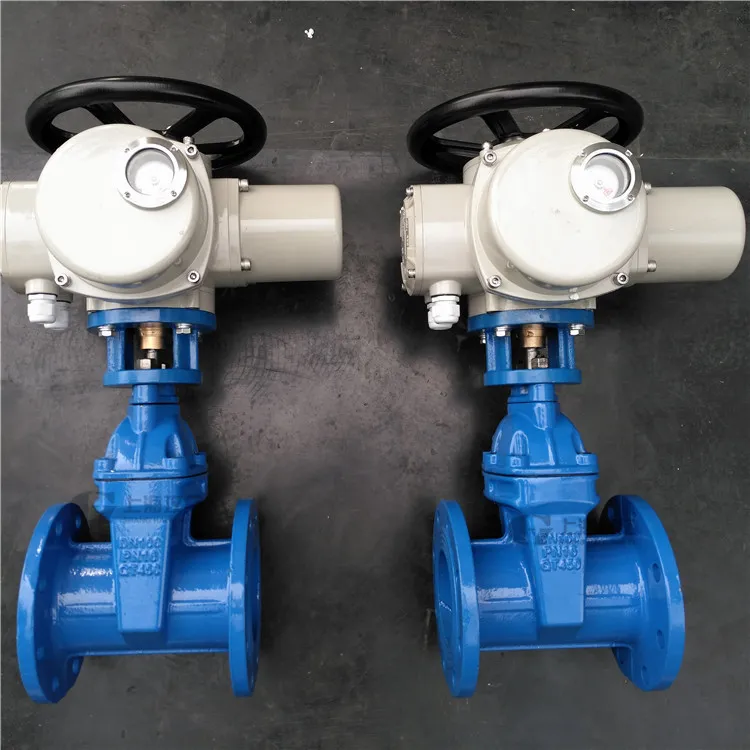
Replacing a Water Valve A Step-by-Step Guide Replacing a water valve can be a straightforward task if approached with the right tools and knowledge. Water valves are essential components of your plumbing system, controlling water flow to various fixtures such as sinks, toilets, and washing machines. Whether you’ve encountered a leak, need to upgrade to a more efficient valve, or are preparing for renovations, knowing how to replace a water valve is an invaluable skill for homeowners. Tools and Materials Required Before you begin, ensure you have the necessary tools and materials 1. Tools - Adjustable wrench - Pipe wrench - Screwdriver - Utility knife - Plumber's tape - Bucket - Towels or rags 2. Materials - New water valve (ensure it's the correct size and type) - Replacement washers (if applicable) - Pipe joint compound (optional) Step 1 Turn Off the Water Supply The first and most crucial step is to turn off the water supply to the valve you are replacing. Locate the main shut-off valve for your home and turn it off. If you’re replacing a specific fixture valve, look for the local shut-off valve beneath the sink or behind the toilet. Open a nearby faucet to allow any remaining water in the pipes to drain, minimizing spills during the replacement. Step 2 Drain and Remove the Old Valve replacing water valve Place a bucket under the valve to catch any residual water. Using the adjustable wrench, loosen the nuts securing the old valve to the pipes. If the valve has been in place for a long time, it may require extra force. Gently twist and pull to remove it once the nuts are loosened. If you encounter stubborn connections, avoid excessive force that could damage the pipes. Step 3 Prepare for Installation Before installing the new valve, inspect the pipe ends for any damage or wear. Use a utility knife to clean any rough edges. If you’re working with threaded pipes, wrap plumber's tape around the threads of the pipe to ensure a tight seal when you install the new valve. Step 4 Install the New Valve Position the new valve in place and hand-tighten the nuts. Use the adjustable wrench for a snug fit, but avoid overtightening, as this can damage the valve or pipes. Ensure it's installed in the correct direction, with the flow arrow on the valve indicating the direction of water flow. Step 5 Restore Water Supply and Check for Leaks After securing the new valve, turn the main water supply back on. Close any faucets you opened earlier and check for leaks around the new installation. If you notice any dripping, tighten the connections slightly until the leaks stop. Conclusion Replacing a water valve can be completed in a few simple steps and can save you from potential plumbing disasters in the future. Regular maintenance and timely replacements are key to a healthy plumbing system. Remember to follow local codes and consult professionals when in doubt. With practice, you can become adept at tackling similar home repair tasks, ensuring the longevity and efficiency of your plumbing system.
about
wetroom glass screens
Understanding Leveling in Welding Tables Welding is a critical process in manufacturing and construction, creating strong joints between metal components. However, the effectiveness of welding is greatly influenced by the conditions under which it is performed, including the use of leveling tables. These tables are essential tools in the welding industry, offering a stable and precise setup for various welding applications. In this article, we will explore the importance of leveling welding tables and how they contribute to high-quality welds. The Basics of Leveling Welding Tables Leveling welding tables are specialized surfaces designed to provide a flat, stable foundation for welding tasks. Their primary purpose is to ensure that the workpieces are properly aligned and secured throughout the welding process. Achieving a level surface is crucial, as even minor discrepancies can lead to distorted welds, inconsistent joint strengths, and an increased risk of defects. A typical leveling table features adjustable legs or supports, allowing the user to modify the height and angle of the table to suit the specific requirements of the job. Some tables include built-in leveling systems or spirit levels that help operators quickly determine whether the surface is perfectly horizontal. This adaptability makes them versatile tools across various industries, from large-scale manufacturing to intricate craft welding projects. Importance of Leveling in Welding The importance of leveling in welding cannot be overstated. A level surface facilitates proper alignment of the workpieces, which is vital for achieving even and consistent welds. When workpieces are misaligned, it can lead to several issues 1. Distortion Uneven heating during the welding process can cause the metal to warp or bend, resulting in a misaligned end product. 2. Strength Issues Improper alignment may lead to uneven distribution of stress across a welded joint, compromising its overall strength and longevity . 3. Increased Defects Misalignment is often a precursor to various weld defects, such as lack of penetration, undercutting, or excessive spatter. These defects can result in costly rework or scrapping of components. leveling welding table 4. Safety Hazards Structural weaknesses due to poor welding can pose serious safety risks, especially in critical applications like aerospace or construction. Features of an Effective Leveling Welding Table When selecting a leveling welding table, several key features should be considered to ensure optimal performance - Material The table should be made from a durable, heat-resistant material that can withstand the rigors of the welding process. Common materials include steel and aluminum. - Adjustability Look for tables with adjustable legs or supports to accommodate different workpieces and operator preferences. Some advanced models offer quick-release mechanisms for easy height adjustments. - Surface Finish A flat and smooth surface is essential for preventing defects. The table should also be resistant to spatter and easy to clean. - Load Capacity Ensure that the table can support the weight of your workpieces. Tables with higher load capacities provide more versatility for larger fabrication projects. Conclusion Leveling welding tables play a significant role in the quality of welding operations. By providing a stable and adjustable surface, they help ensure the proper alignment of workpieces, leading to stronger, more reliable joints. In a trade where precision is paramount, investing in a high-quality leveling table can mean the difference between success and costly mistakes. As industries continue to evolve and demand for high-quality welding increases, the importance of leveling welding tables will remain at the forefront. Properly leveled work surfaces not only enhance performance but also contribute to overall safety in the workplace. Therefore, whether you are a hobbyist welder or a professional fabricator, understanding and utilizing leveling tables should be a fundamental part of your welding setup.
-

High quality industrial productsagement

High quality industrial products
View Details -

Meet the diverse needs of customers

Meet the diverse needs of customers
View Details -

Strict quality control

Strict quality control
View Details -

Top raw materials

Top raw materials
View Details -

Trusted supplier

Trusted supplier
View Details
Our application
news and information
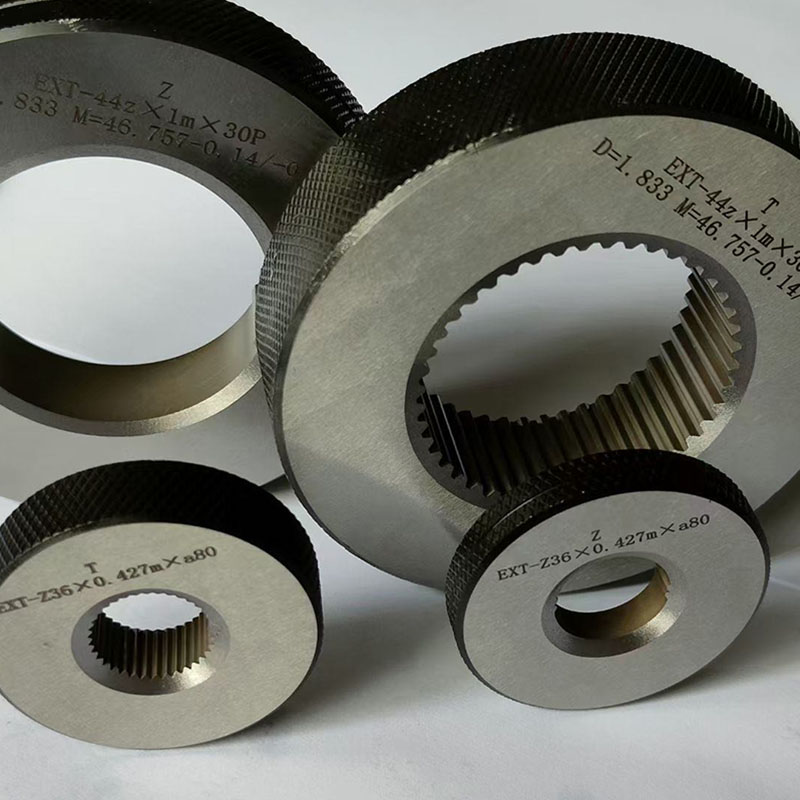
Valve Manufacturing Techniques for Enhanced Efficiency and Quality Control
valve factory .
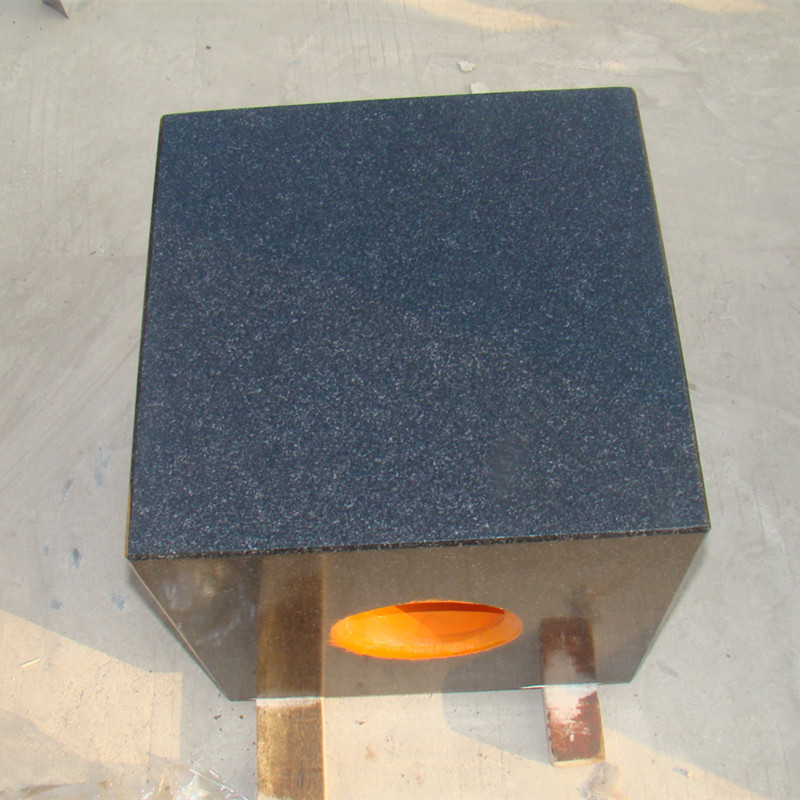
Versatile 3x6 Welding Table for Efficient Metalwork and Fabrication Projects
The Essential Guide to 3x6 Welding Tables Boosting Your Fabrication Skills Welding is an art and a s
Wrought iron finials
The Timeless Elegance of Wrought Iron Caps An Architectural Delight Wrought iron caps, an integral
 English